Amara Wash & Fold Laundry Services

From the Amara editorial team

Fabric care, written plainly

Practical writing on washing, stains, whites and finishing, from the people who handle clothes every day.

A Kenyan woman reading the care label inside a cotton shirt

11 May 2026 · By Amara Editorial Team

Read the label first. It is the cheapest advice a garment will ever give you.

That small strip of fabric at the collar or side seam is written by the people who made the cloth. It is worth two seconds of your attention.

Most garments that come to us damaged were not ruined by dirt. They were ruined by heat, or by a wash cycle that was far stronger than the cloth could carry. Cotton forgives a great deal. Viscose, silk blends and anything with elastane do not.

The label tells you three useful things: the temperature the fibres can survive, whether the garment may be tumbled, and whether the iron should be warm or barely warm. If a label says thirty degrees, that number is not a suggestion. Wash a wool blend at sixty and the fibres lock together permanently. No laundry in the world can open them again.

Keep one habit. When you buy a garment, glance at the label once and remember only the hardest instruction. If you can hold on to that single line, you will keep your best clothes for years rather than seasons.
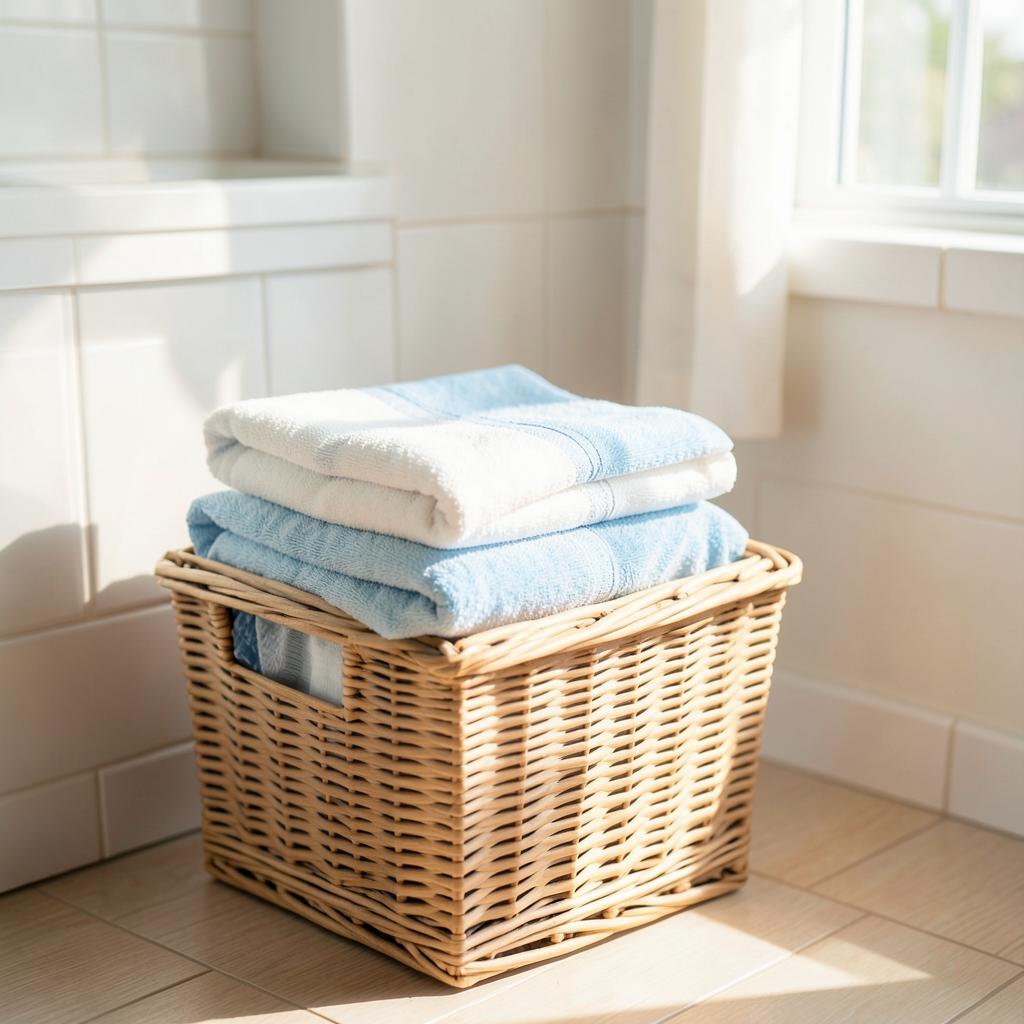
Freshly laundered white towels folded in a neat stack

2 June 2026 · By Amara Editorial Team

Keeping whites white in a city of red dust

Nairobi is generous with dust, and dust is generous with white cotton. Greying is rarely a soap problem. It is usually a rinsing problem.

White cotton turns grey when fine soil and leftover detergent settle inside the weave and stay there. Adding more powder makes it worse, because powder that does not dissolve becomes part of the problem. Use the amount the packet states, then rinse until the water runs clear.

Separate genuinely white items from cream and pale grey. They look close in a basket and quite different after twenty washes together. Shake out collars, cuffs and hems before washing so loose dust leaves the cloth instead of dissolving into it.

Bleach is not a routine. It is a repair, and a harsh one. A gentle oxygen based whitener once a month, warm water and a thorough rinse will hold a white shirt longer than any dramatic rescue.

Careful hands lifting a fresh stain from a school sweater with a soft brush

8 July 2026 · By Amara Editorial Team

A stain is a race, and the first ten minutes decide it

Almost every stain we cannot remove was once a stain that could have been removed easily. What changed was time and heat.

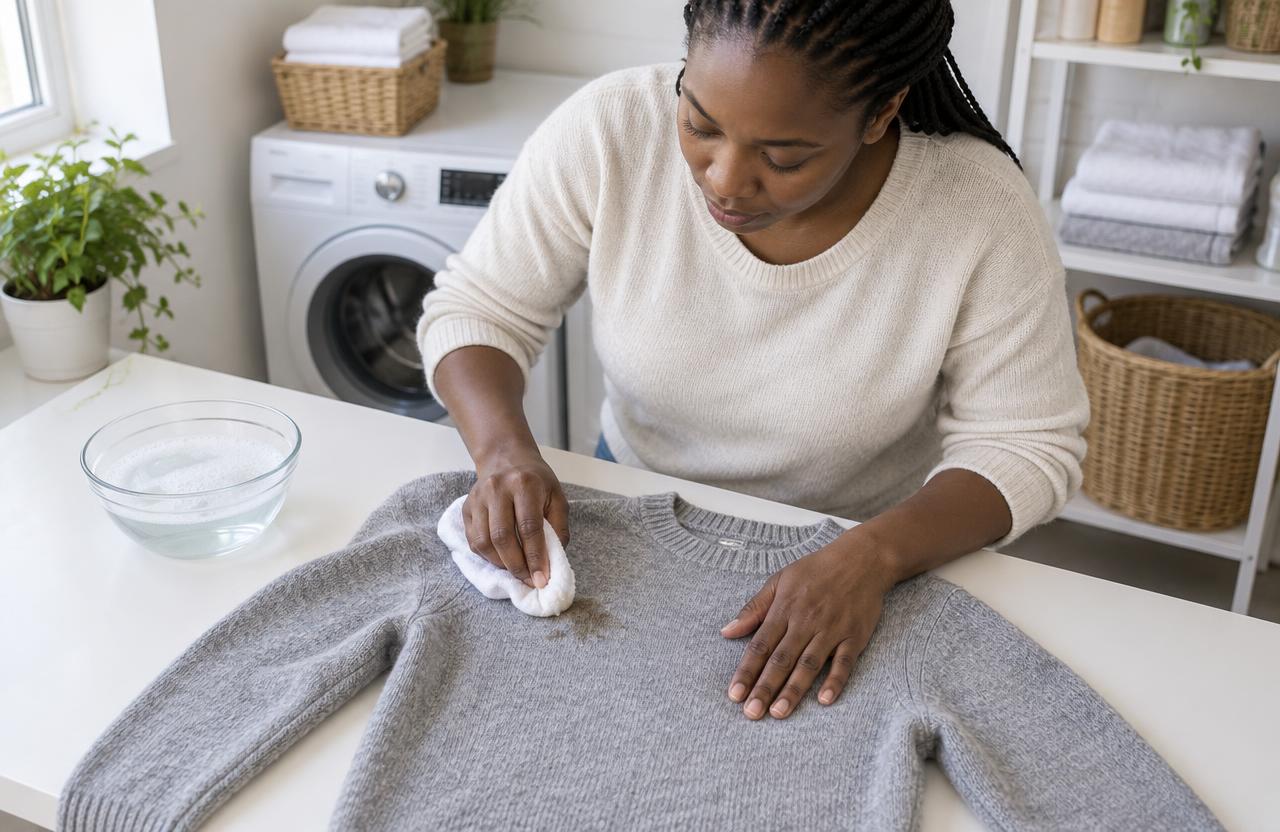
Blot, do not rub. Rubbing pushes the stain sideways into the weave and roughens the surface so the mark shows even after the colour has gone. Press a clean cloth onto the spot, lift, move to a dry part of the cloth and press again.

Cold water for protein: blood, milk, egg, sweat. Warm water sets those stains permanently. Grease and oil want a little dish soap worked in gently with a fingertip. Tea, coffee and soda want plain cold water and speed above everything else.

Never iron over a mark you have not removed, and never tumble dry a garment that still shows one. Heat is what converts a stain into a permanent part of the cloth. If you are unsure, leave it wet, keep it out of the sun and let us look at it.

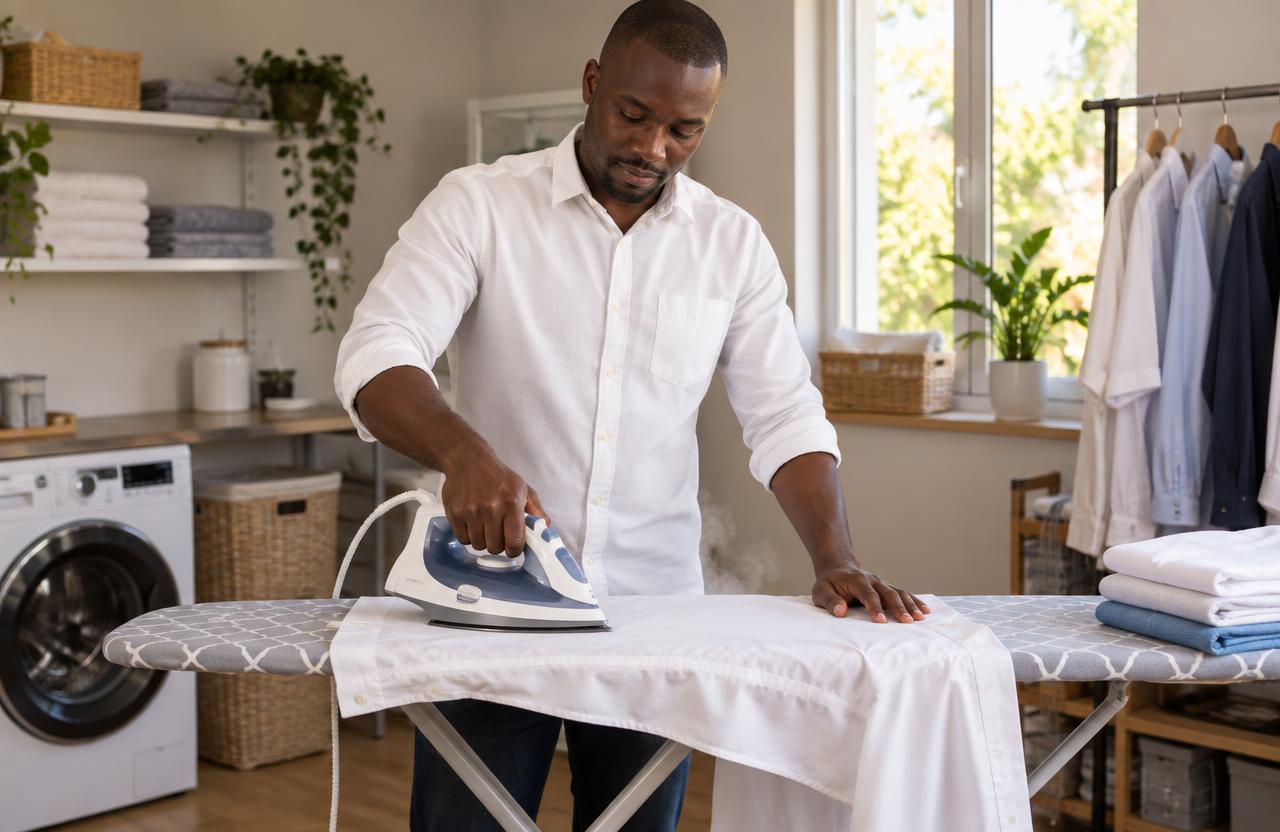
A Kenyan man pressing a white office shirt on a padded board

19 August 2026 · By Amara Editorial Team

Pressing is the sentence your clothes speak before you do

A modest shirt, pressed properly, reads better in a meeting than an expensive one pulled straight from a bag. Finishing is the whole difference.

Work damp rather than dry. A little moisture lets the fibres relax and hold the new shape, which is why a shirt pressed slightly damp stays crisp through a working day while a dry pressed one loosens by mid morning.

Order matters. Collar first, then cuffs, then sleeves, then the yoke across the shoulders, and the body last. Working in that sequence means you never crush a panel you have already finished.

Give a pressed garment air before it goes into the wardrobe. Warm cloth folded straight away holds a soft crease in the fold line. Ten minutes on a hanger is the difference between clothes that look cared for and clothes that look stored.

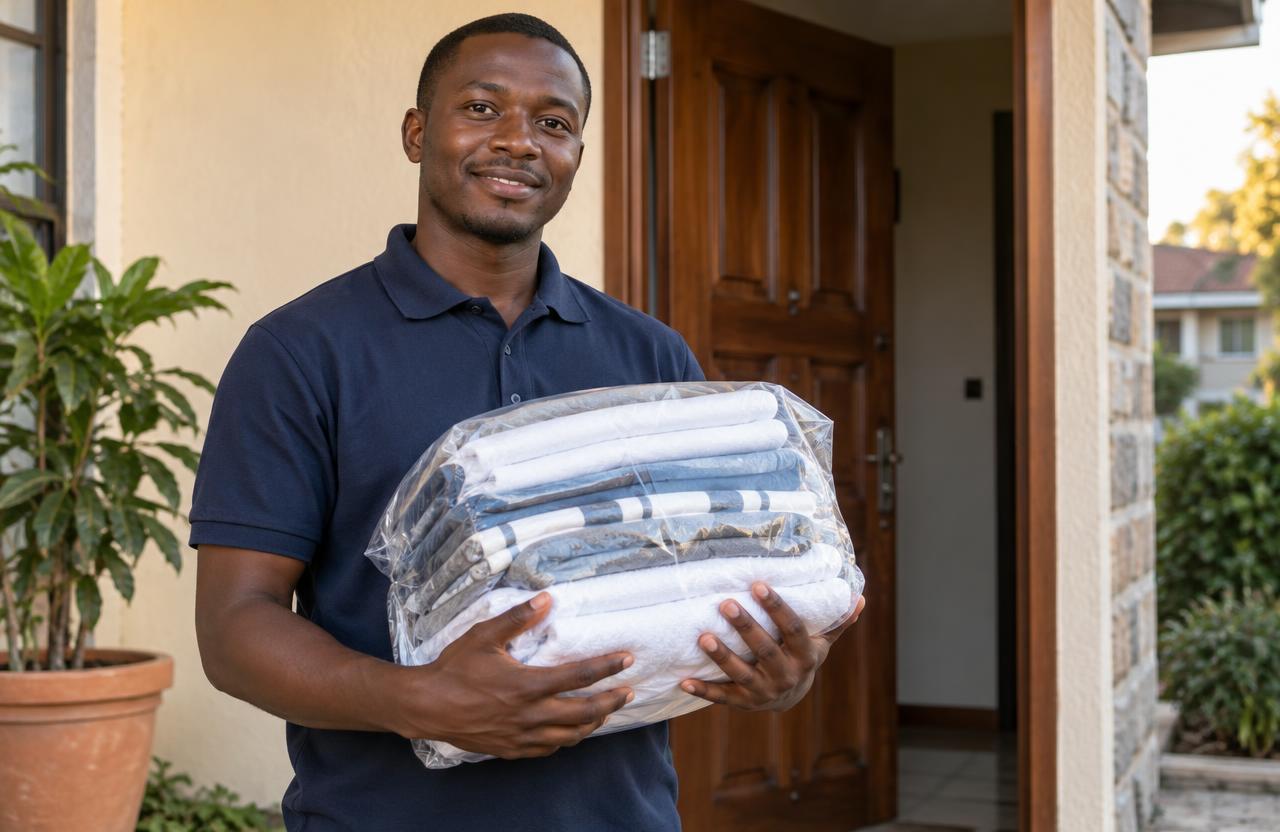
An Amara team member delivering a neatly packed laundry order to an apartment door

5 September 2026 · By Emmanuel Sawe

How to pack a laundry bag so a whole week comes back right

Half of good laundry happens in your house, in the two minutes before the rider knocks. Here is what those two minutes should look like.

Empty the pockets. A single forgotten pen will mark eleven other garments, and a coin will chip a drum seal that then snags cotton for weeks. Turn out every pocket, including the small inner one on a jacket.

Group by treatment rather than by owner. Everything for a warm wash together, delicates in their own bundle, uniforms and workwear in another, and shoes bagged separately so grit does not travel. Tell us about anything with a stain and roughly what caused it, because we treat wine and cooking oil in completely different ways.

Close zips, unbutton cuffs and turn printed shirts inside out. Then count the items on your phone before the bag leaves. It takes twenty seconds and it settles any question later, for you and for us.

Small habits, kept every week, are what make laundry stop being a chore you dread and become something you simply arrange.

This journal offers general fabric care guidance. Every textile behaves differently, so follow the manufacturer label. See our terms and disclaimer. Terms and disclaimer